Hungry or Homeless

Hungry or Homeless

Anglicare explores Australia's cost of living crisis through key themes including income poverty, housing challenges, food management, energy poverty, and health access.

Download full report

Australia's cost-of-living crisis is no longer a temporary shock, it is an entrenched challenge. Rising rents, persistent food insecurity, and increasing energy costs are forcing families into impossible trade-offs. Vulnerable households, especially women, children, and older Australians, are bearing the brunt. The following report, a result of 23 interviews with vulnerable people from all across NSW, details these findings and amplifies their voices.

Income Poverty

Income poverty is persistent and structural, not a short-term budgeting problem. Even with social security and careful budgeting, most interviewees could not meet basic costs, let alone build savings. Small shocks, like a replacement uniform, car repair, or vet bill, regularly tipped people into crisis, arrears, or high-cost debt.

I had bills to pay (rent, electricity, loans)... I had to get all my bills out of the way before I spent money on food or anything like that.

Frank

The poverty line figures show how tight this is in practice: in 2022–23 the line was $584/week for a single adult and $1,226/week for a couple with two children, yet 3.7 million Australians (14.2%) lived below it, including 757,000 children, with an average shortfall of $390/week.

  • Australians living in poverty 3.7 million
  • Children living in poverty 757,000
A couple with a young child sitting in front of a laptop examining their bills and looking stressed

Housing Challenges

Housing is the single biggest pressure on people's budgets. Interviewees routinely spent well over 50% of income on rent, and any increase or shock (illness, school costs, broken appliance) could push them into arrears and towards eviction.

The landlords know I'm not going to be able to pay but if only they knew what I was going through. I would rather be hungry than be in this position

Jane

Over the last five years, rents in Sydney have risen by 39% for houses and 47% for units, with median rents now over $800/week, and more than 10% of households spending 30–50% of income on rent while 6% spend more than half.

  • Median rent in NSW $800+/week
  • Households spending over 50% of income on rent 6%
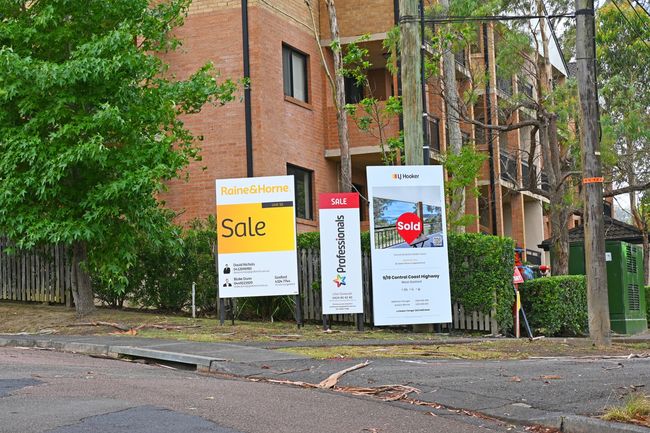
A block of flats with multiple For Sale and Sold signs out the front

Food Management

Food was where people flexed the hardest because housing and utilities are fixed costs. Interviewees described doing "mini-shops" every few days, chasing specials, switching to home brands, and cutting out fruit, vegetables and meat to make money stretch.

We're not eating a lot of meat and vegetables… a lot of us are getting sick.

Ian

Many skipped meals, especially adults protecting children's diets, and some, like Jane and Tim, were down to a single cheap meal a day or food hampers.

In the morning for breakfast, I have… just the cheapest is a Happy Meal.

Jane
  • Australians experiencing food insecurity 3.5 million
  • Compromised food quality or skipped meals 61%
  • Food relief agencies reporting increased demand 77%
Man walking away from the camera through a supermarket aisle containing cereals, tea, coffee and other grocery items

Energy Poverty

Energy poverty showed up both in household utilities and transport. Interviewees described turning off heaters and hot water, layering clothing in cold homes, and using shopping centres or libraries to escape heat. Poor housing quality (mould, drafts, old wiring) made it expensive to stay warm or cool.

I'm terrified of opening the electricity bill.

Badhia

Transport costs, especially petrol, are a parallel form of energy poverty: people ration fuel, delay repairs, forgo insurance, or give up cars entirely, with direct impacts on work, care, and social connection.

  • Price increase above pre-COVID levels 16%
  • Example utility bill increase in 18 months $780 → $1,480
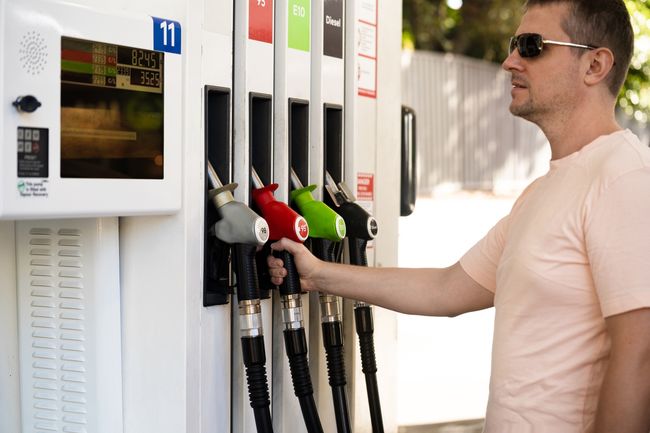
Man at a petrol pump, having just returned the hose to the holster

Health Access

Poor health and poverty form a vicious cycle. Many interviewees were living with chronic pain, disability, and serious illness (including cancer), but high out-of-pocket costs for specialists, scans, and travel meant care was often delayed or skipped.

I’ve got to get medicals done by a specialist so I can return to work. But they cost money, so I’m just waiting. It’s really restricting me.

Tim

Hygiene poverty (struggling to afford shampoo, deodorant, period products, cleaning supplies) quietly erodes dignity and participation. Jane, who had been living in her 'dirty' car, described the feeling of having a shower again after months of going without.

I felt lighter, like some heavy dust was gone. I felt so good.

Jane
  • Australians skipping specialist appointments due to cost 1 million
  • Australians skipping or delaying medications due to cost-of-living 32%
  • Australians struggling to afford hygiene and cleaning products 12%
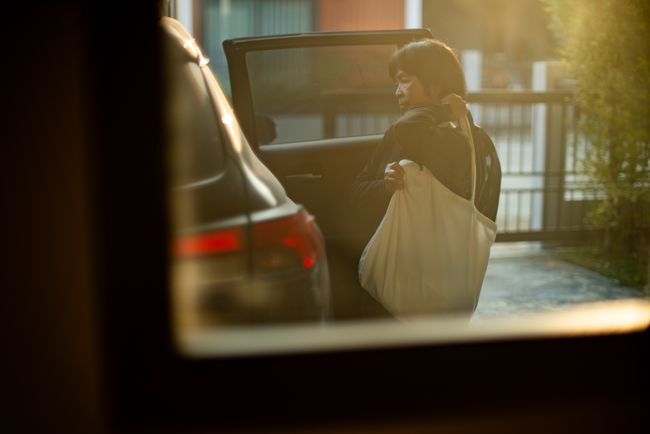
Woman next to a car with the door open, seen through a window

Mental Health and Well-being

Lower-income Australians experience higher rates of psychological distress, mental illness and suicide risk compared to wealthier households, Constant stress about bills, housing, food, and safety drains mental bandwidth, making it harder to plan, problem-solve, or pursue opportunities.

I am worrying all the time. I have to think and calculate and I can’t do anything. It puts so much stress in my head and mind.

Victor

Interviewees described mental exhaustion, anxiety, and hopelessness in the face of seemingly unsolvable financial challenges. Stress was also worsening physical health and impacting sleep quality.

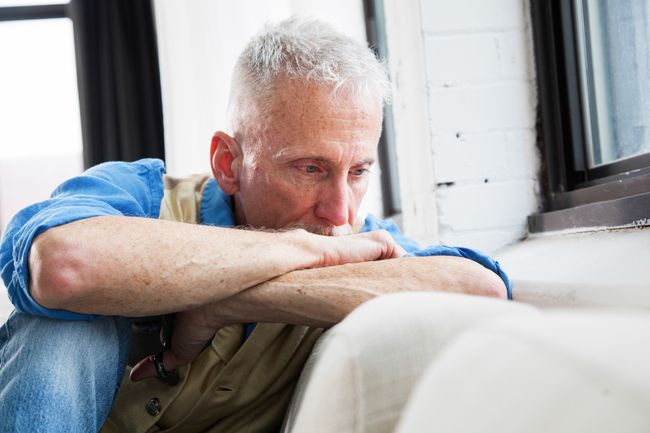
Man sat on a couch, one kneee up, covering the lower part of his face, looking into the wall

Women and Children's Needs

Women, particularly single mothers, faced layered pressures: low income, high housing costs, unpaid care, domestic and family violence and child-related expenses. Interviewees described staying in, or returning to, violent relationships because they couldn't afford to leave.

I could spend that $600 on my daughter's trip. So, I used that money for her rather than the electricity bill.

Helen

Meeting children's everyday needs was a constant struggle. Clothing, uniforms, shoes, excursions, sports, digital access all add up. Mothers would often go without themselves, borrow from family, or delay bills so children can participate in school and sport.

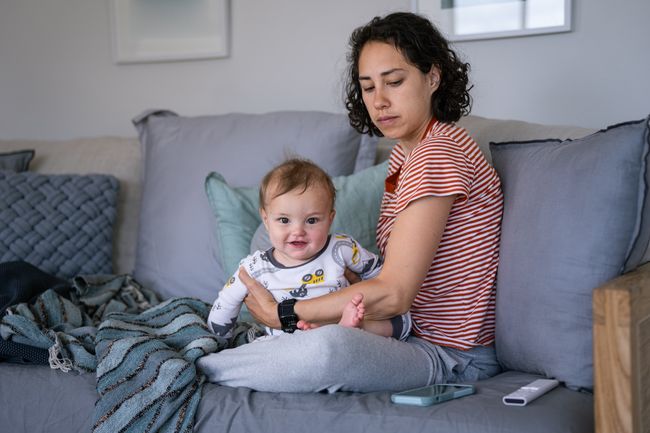
Woman sat on a couch holding a young baby

Social Isolation and Loneliness

Many interviewees had thin or fragile social networks. Past trauma, substance use, family breakdown or relocation meant they had few close ties. Financial hardship compounded this: when you repeatedly say no to social invitations because you can't afford them, people eventually stop asking.

You say you’ve got no money, so people stop asking you.

Victor

Limited resources were also restricting access to leisure and social activities, reinforcing social exclusion. Coffee with friends, weekend trips, kids' activities all come at a cost. Digital exclusion, particularly for older interviewees, also limited to access to essential services, such as housing, Centrelink and employment opportunities.

Man sat at a bus stop in the city looking down at his phone with a duffel bag between his legs

What Can Be Done?

Six evidence-based policy changes that could transform lives

Take Action Today

Your support can make a real difference in the lives of those facing impossible choices.

The Full Report

Dive deeper into the data and stories behind Australia's cost-of-living crisis. Our comprehensive report reveals the stark reality facing thousands of Australians.

Download the full report →
Hungry or Homeless - The Report by Anglicare

Share Campaign

Help spread awareness about Australia's cost-of-living crisis.